Ephedrine
9 August 2026
Quick answer
Ephedrine is a simple and accessible sympathomimetic for managing hypotension and bradycardias intra operatively
Contents
Introduction
Ephedrine is a sympathomimetic that works both directly, on alpha and beta adrenergic receptors, and indirectly, by releasing noradrenaline from nerve endings. It is the drug most of us reach for when the blood pressure sags a bit after induction or a spinal, and this episode covers where it came from, what it does to each system, its kinetics, and why it is a contested choice in obstetrics.
Initially classified as ‘medium bitter’ herb in 2760 BC by Emperor Shen Nung (China) noting it as working with the lung and bladder meridians, in 1596 AD noted in China to be a circulatory stimulant and an ‘antipyretic and cough suppressant’ [like pseudoephedrine].
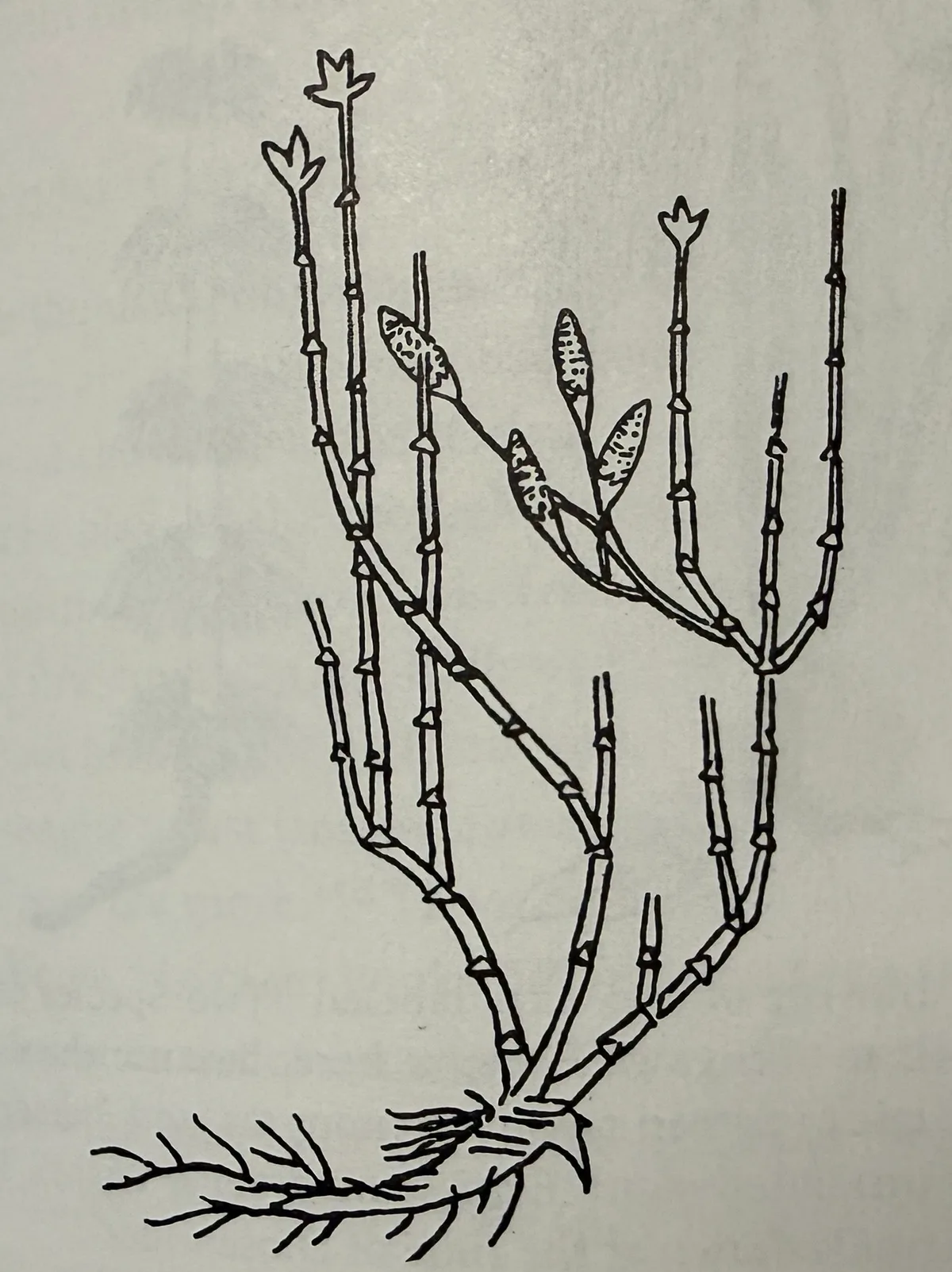
Ephedra plant
Ephedrine Molecule

Pharmacology
Physico-chemical properties
| Property | Detail |
|---|---|
| Name | Ephedrine |
| Class | Sympathomimetic |
| Chemical make-up | Phenethylamine Alkaloid |
| History | Derived originally from the Ephedra species of plants (many types). Nagayoshi Nagai (1844–1929) initially isolated it in 1885. It was handed over to a physiologist type, who experimented with it - and was promptly branded a dangerous agent - and not safe to do anything more than drop it in your eyes to counter atropine! 30 years later someone else dabbled (probably in more careful doses) identifying it to have similar effects to adrenaline and tyramine. In 1923, in China, some western physiologist types were exploring some of the pharmacopoeia of China - and checked out Ma Huang (Ephedra) identifying its sympathomimetic properties, and its effects on various systems (BP/HR/Pupils/Bronchial Smooth muscle) Was originally used as an Asthma treatment up til the 1950s (isoprenaline came in) |
| Isomer status | There are four isomers of ephedrine, the only active one is L-ephedrine |
| Presentation | Intravenous, tablet, nasal drops |
| Molecular weight | 165 g/mol |
Pharmacodynamics and side effects
| Property | Detail |
|---|---|
| Mechanism of action | Directly stimulates alpha and beta adrenergic receptors, Indirectly - releases noradrenaline from nerve endings, Inhibits monoamine oxidase (impairs noradrenaline breakdown) |
| Treatment for | Hypotension, Nocturnal enuresis, Narcolepsy, Diabetic ANS neuropathy, Hiccups, Nasal decongestion, in a pinch briefly helps myasthenia |
| Dose | 3-9 mg IV - 15-60 mg Orally/IM TDS |
| Cardiovascular | Increased HR, Increased BP, in overdose tachyarrhythmias, in anaesthesia doses will potentiate adrenaline - in massive doses, inhibits the effect of adrenaline and potentiates vasodilation + increased myocardial O₂ demand |
| Respiratory | Bronchodilator + stimulant to breathe |
| CNS | Crosses the blood brain barrier causing stimulatory effects, wakes rabbits from some anaesthetic agents (not barbiturates tho), Insomnia, tremor, headaches, nausea / vomiting |
| Eyes | Mydriasis |
| GI/GU | Relaxes GI Smooth muscle and slows peristalsis, alpha agonism constricts urinary sphincters |
| Hepatic | Increased glycogenolysis |
| Cautions | historic overuse can lead to dependence, withdrawal and psychosis! (it does behave a bit like methamphetamines, and indeed is a precursor to crystal meth). Can also cause hyperthermia (hypothalamic effects). |
| Obstetric Cautions | May result in a worse cord gas, although the study that says phenylephrine is the best choice comparatively, ‘isn’t built on the best foundation’. |
| Other Notes | Exhibits tachyphylaxis as noradrenaline stores deplete |
| Toxic | Mixed with MAOIs / Beta blockers / Ergot alkaloids = Hypertensive crisis |
Pharmacokinetics
| Parameter | Detail |
|---|---|
| Absorption | Well absorbed orally / IM / SC - Oral Bioavailability 88% |
| Distribution | Volume of distribution: 122-320 L (3 L/kg); Crosses the BBB and the Placenta, pKa ~10 |
| Metabolism | Resistant to MAO / COMT - small amount metabolised by N-demethylation into phenylpropanolamine (norephedrine). Also deaminated into benzoic acid, hippuric acid and 1-phenylpropane-1,2-diol |
| Elimination | 65% excreted unchanged in urine - Elimination half-life 6.3 hours (shorter HL in acidic urine) |
In anaesthesia
In which patient cohort is ephedrine relatively contraindicated?
- Classically not reached for during LSCS as it has been found to alter fetal pH for the worse.
- However some obstetric anaesthetists don’t tie their hands behind their back in this regard (I would recommend sticking with the phenylephrine and giving them a terrifically awful dry mouth with glycopyrrolate, to avoid the obvious ‘that’s not practice’ conversation.)
Which groups of patients respond poorly to ephedrine?
- The elderly populus, either secondary to fewer adrenergic receptors and a ‘tired’ sympathetic nervous system or the fact that they are beta blocked!
Which groups of patients may respond dramatically to ephedrine?
Patients already on agents that inhibit MAO (MAOIs) will have an outlandish response, as well as those already ‘running away from a tiger’ courtesy of large doses of cocaine / methamphetamine or serotonergic/dopaminergic agents.
For the truly and deeply curious individuals
From the chapter on Ephedra in the book The Healing Hand: Man and Wound in the Ancient World by Guido Majno (Harvard University Press, 1975), a book I very much enjoyed reading about the care of the wound throughout history, there is an interesting historical finding that is little documented (and may be entirely made up). Carl F. Schmidt and Ko Kuei Chen between 1923-1924 working at Peking Union Medical College were testing Chinese medicinal herbs, isolating ephedrine and identifying its clinical benefit. However as we know it was isolated some 38 years earlier, but back at that earlier time the researchers had inadvertently been injecting highly potent, large doses into animals killing them off - writing off this asthma treatment as lethal for a further time! The irony here is that in some very old texts courtesy of Pliny the Elder and Dioscorides, they had isolated an impure decoction of the stuff and this would have done the trick for said asthmatic ills.
As an aside, a great book to read, describing a method of locating where to cut for an empyema in ancient Egypt by slathering someone with clay and stabbing at the bit that dried the fastest (the warmest, most inflamed patch).
Summary
Ephedrine is likely one of the most ancient of drugs lurking in your cupboard! (Atropine - 4th century BC - Theophrastus using a mandrake wine for sleeplessness and pain)
- Class: Sympathomimetic, a phenethylamine alkaloid
- Mechanism: Directly stimulates alpha and beta adrenergic receptors, indirectly releases noradrenaline from nerve endings
- Dose: 3-9 mg IV; 15-60 mg orally/IM TDS
- Kinetics: Oral bioavailability 88%; Vd 122-320 L (3 L/kg); resistant to MAO/COMT with a small amount N-demethylated to norephedrine; 65% excreted unchanged in urine; elimination half-life 6.3 hours
- Side effects: Tachyarrhythmias in overdose, insomnia, tremor, headaches, nausea and vomiting, mydriasis, tachyphylaxis as noradrenaline stores deplete
- Interactions: MAOIs, beta blockers and ergot alkaloids - hypertensive crisis
References
- PubChem, Compound Summary: Ephedrine. National Library of Medicine. https://pubchem.ncbi.nlm.nih.gov/compound/Ephedrine
- White, L.M., Gardner, S.F., Gurley, B.J., Marx, M.A., Wang, P.-L. and Estes, M. (1997), Pharmacokinetics and Cardiovascular Effects of Ma-Huang (Ephedra sinica) in Normotensive Adults. The Journal of Clinical Pharmacology, 37: 116-122. https://doi.org/10.1002/j.1552-4604.1997.tb04769.x
- Deranged Physiology, Ephedrine. https://derangedphysiology.com/main/pharmacopeia/ephedrine
- Pharmacological Effects of Ephedrine. ResearchGate. https://www.researchgate.net/publication/278707660_Pharmacological_Effects_of_Ephedrine
- González-Juárez DE, Escobedo-Moratilla A, Flores J, Hidalgo-Figueroa S, Martínez-Tagüeña N, Morales-Jiménez J, Muñiz-Ramírez A, Pastor-Palacios G, Pérez-Miranda S, Ramírez-Hernández A, et al. A Review of the Ephedra genus: Distribution, Ecology, Ethnobotany, Phytochemistry and Pharmacological Properties. Molecules. 2020; 25(14):3283. https://doi.org/10.3390/molecules25143283
- Gaddum JH. Ephedrine. Br Med J. 1938 Apr 2;1(4030):713-7. doi: 10.1136/bmj.1.4030.713. PMID: 20781356; PMCID: PMC2086103.
- Elhadef, Khaoula, Smaoui, Slim, Fourati, Mariam, Ben Hlima, Hajer, Chakchouk Mtibaa, Ahlem, Sellem, Imen, Ennouri, Karim, Mellouli, Lotfi, A Review on Worldwide Ephedra History and Story: From Fossils to Natural Products Mass Spectroscopy Characterization and Biopharmacotherapy Potential, Evidence-Based Complementary and Alternative Medicine, 2020, 1540638, 22 pages, 2020. https://doi.org/10.1155/2020/1540638
Further reading
Common questions
In which patient cohort is ephedrine relatively contraindicated?
Classically not reached for during LSCS as it has been found to alter fetal pH for the worse, however ,some obstetric anaesthetists don't tie their hands behind their back in this regard (I would recommend sticking with the phenylephrine and giving them a terrifically awful dry mouth with glycopyrrolate, to avoid the obvious 'that's not practice' conversation.)
Which groups of patients respond poorly to ephedrine?
The elderly populus, either secondary to fewer adrenergic receptors and a 'tired' sympathetic nervous system or the fact that they are beta blocked!
Which groups of patients may respond dramatically to ephedrine?
Patients already on agents that inhibit MAO (MAOIs) will have an outlandish response, as well as those already 'running away from a tiger' courtesy of large doses of cocaine / methamphetamine or serotonergic/dopaminergic agents. Equally you may see an outsized response when given to a patient with a heart transplant, much like the exaggerated adrenaline response.
Thanks for listening. Take it day by day, don't overcook yourself — keep studying.
Transcript
22 Min listenRead the full transcript
Gas Gas Gas: Ephedrine (FRCA Primary)
Vasopressors, Chronotropes and Inotropes: Part 1
Introduction: Welcome to Gas Gas Gas
00:00 – 00:47
Please listen carefully.
Hello, Team Anaesthesia. Welcome to Gas Gas Gas. This is the best anaesthetic science podcast for the FRCA Primary exam. Our goal is to fill your brain with all this highly useful information.
Now, you might be in the gym right now, commuting, or ironing your scrubs, and there’s no judgement here. Gas Gas Gas will prime your brain for the monsoon of knowledge you need to imbibe. But regardless, the revision is eventually going to end. For now, expect facts, concepts, model answers, and the odd tangent.
Remember to check out the website, that’s gasgasgas.uk. There are show notes there with all the detail, plus links to foundational reference papers and to anything else useful I find for you guys.
Anyway, buckle up, get ready for your mind to be bent into a new shape, and let’s get on with the show.
Episode Preamble: Starting the Vasopressor Chapter
00:48 – 01:35
Hello again. So we are doing another episode of Gas Gas Gas. We are deviating away from Viva Cast just this once. While Viva Cast takes a lot of effort in prep, it’s quite easy to publish. It’s not really got the meat, and I was itching to do some reading about some drugs.
So we’re covering ephedrine today. This is the start of the chapter on vasopressors, chronotropes and inotropes, where we’re going to cover all the big dogs and all the little dogs that can manipulate heart rate, blood pressure, chronotropy, et cetera, et cetera, and explore the physiology around how these drugs work and why they exert their effects.
We will naturally dabble in history, but we will hit the meat of what you need to know for the FRCA Primary exam, plus some pointless information to bamboozle your colleagues with. Hopefully less waffle from me. Let’s go.
Ephedrine at a Glance, and Its Ancient History
01:36 – 02:51
Key points
- Presentation: pre-filled syringe at 3 mg/mL, or a 30 mg ampoule diluted to 10 mL to give 3 mg/mL.
- Bolus dose: 3–12 mg IV.
- Raises both heart rate and blood pressure.
- First classified in Chinese medicine around 2760 BC; described as a circulatory stimulant, antipyretic and cough suppressant by AD 1596.
We are handling ephedrine for the FRCA Primary. It’s either pre-filled at 3 milligrams per mil, or it comes as a 30 milligram ampoule that you draw up classically into 10 mils, so you have 3 milligrams per mil to give. Dosing, 3 to 12 milligrams. Makes the blood pressure better, makes the heart rate better, if you define better as those things both going up.
But this is a drug that has been around for donkey’s years. And when I say donkey’s years, I have to tell you that the donkey might be perhaps five and a half thousand years old, which is a very old donkey. Ah, but yes, looking in your drug cupboard, it’s an old one.
Initially it was classified as medium bitter and assisting with one’s lung and bladder meridians, in around 2760 BC by Emperor Shen Nung of China, who was a very busy man when it came to classifying the medicinal plant life available to the Chinese populace of the time.
It wasn’t until 1596 AD, again noted in China, that it was recorded as a circulatory stimulant and antipyretic, but I think by making you sweat profusely, and a cough suppressant, clearing one’s airways, et cetera, much like pseudoephedrine was, and is sometimes used today, in cough remedies depending on which country you’re in.
Physicochemical Properties, Isolation and Presentation
02:52 – 04:39
Key points
- Class: sympathomimetic; a phenylethylamine alkaloid derived from Ephedra species.
- Four stereoisomers exist; only L-(levo-)ephedrine is active.
- Isolated by Nagayoshi Nagai in 1885, shelved, then re-isolated in the early 1920s.
- Used as an asthma treatment until roughly the 1950s, when isoprenaline superseded it.
- Presentation: clear colourless solution, 30 mg in 1 mL ampoule; also pre-filled syringe, tablet and nasal drops.
Let’s get in amongst it with the physicochemical properties of ephedrine. So, class: sympathomimetic. It can be derived from a phenylethylamine alkaloid, although it can also be derived from many different subspecies of Ephedra plants, which is where it came from originally. These were in China, these were in India, all over the place.
If you’re somehow in the exam and they ask when it was first synthesised, they’ve probably run out of questions, or I’m somehow examining you. Definitely not in the curriculum, but it was originally and initially isolated in around 1885 by someone called Nagayoshi Nagai in China [see changelog]. At the time, a physiologist colleague dabbled with it, considered it too dangerous, and it got shelved.
Later on, in the 1920s, I think 1922 to 1924, Western physicians exploring the Chinese pharmacopoeia, looking for drugs and identifying their effects, “re-discovered” ephedra, in inverted commas, re-isolating it. In China it’s called má huáng, ephedra. They noted its sympathomimetic properties and its effects on various organ systems: blood pressure, heart rate, relaxing the smooth muscle of your lungs. It was then utilised as a treatment for asthma up until about the 1950s, when isoprenaline, sometimes called isoproterenol, came along. We don’t use isoprenaline any more, because it is still quite bad for your heart.
Isomer status: something again probably not going to be asked in the exam, but nevertheless there are four isomers of ephedrine, and the only active one is L-, or levo-ephedrine.
It’s presented as a clear, colourless solution: 30 milligrams in a 1 mil ampoule, a pre-filled syringe, or as a tablet or nasal drop. If you have a terrifically bunged-up nose, ephedrine might help, but it also might make you quite hypertensive, tachycardic and sweaty. So maybe just a bit of saline.
Single Best Answer: Tachyphylaxis and Mechanism of Action
04:40 – 06:24
Key points
- Ephedrine acts predominantly as an indirect adrenoceptor agonist.
- It exchanges with noradrenaline in membrane-bound presynaptic vesicles, displacing noradrenaline into the synapse.
- Endogenous noradrenaline stores are finite, so repeated dosing over a short period produces tachyphylaxis.
- Some literature also credits ephedrine with direct receptor activity, but the single best explanation for tachyphylaxis is store depletion.
Time for this lovely single best answer question, courtesy of Teach Me Anaesthetics, just to whet your appetite for this delightful exam you’re all desperately looking forward to sitting. Sorry.
A 45-year-old patient is anaesthetised for a laparoscopic appendicectomy. During the case, the patient becomes hypotensive. To try and maintain normotension, you give multiple boluses of ephedrine. Initially, these are effective. However, after a total of 30 milligrams has been given, you notice that a further 6 milligram dose of ephedrine really doesn’t produce the same effect as that first 6 milligram bolus. Which of the following is the best explanation for this?
- The patient is likely to have coexisting beta blockade.
- Ephedrine is a directly acting adrenoceptor agonist.
- Ephedrine is an indirectly acting adrenoceptor agonist.
- Ephedrine leads to the release of noradrenaline from the presynaptic membrane.
- Ephedrine has a half-life of 3 to 6 hours.
So the single best answer here is that ephedrine is an indirect agonist of adrenoceptors. Within the neuron, ephedrine exchanges with noradrenaline in the vesicles bound to the membrane, hence the release of noradrenaline. As there is a finite amount of endogenous noradrenaline, the effect of ephedrine reduces over time if it is used repeatedly over a short period. This is known as tachyphylaxis.
I hope that’s whetted your appetite and grounds you in the mechanism of action of ephedrine. I would note that some of the papers I’ve read would also suggest it does have some direct activity, as well as the noradrenaline-releasing indirect activity. Remember, these are single best answer questions. The single best answer as to why tachyphylaxis develops is because there’s less available noradrenaline to release on those membrane-bound vesicles that are easy for the ephedrine to get at.
Pharmacodynamics: Mechanism of Action, Dosing and Historical Indications
06:25 – 08:20
Key points
- Direct stimulation of alpha and beta adrenoceptors, plus indirect release of noradrenaline from nerve endings.
- Also inhibits monoamine oxidase, impairing noradrenaline breakdown.
- IV dose: 3–9 mg (some say 3–12 mg) boluses in an adult. Oral: 15–60 mg. Can also be given intramuscularly.
- Historical indications: hypotension, nocturnal enuresis, narcolepsy, hiccups, nasal decongestion, myasthenia gravis.
Getting back on with things. Pharmacodynamics. Remember, pharmacodynamics is what the drug does to the body, and you probably need to subdivide it down in your mind into the mechanism of action, and then the effects it has on the body, i.e. side effects and the therapeutic effect you’re seeking. I would also include the dose in pharmacodynamics. So here we go.
Mechanism of action of ephedrine. It does a few things. Remember, it’s naturally derived, so it hasn’t been designed for one receptor. It directly stimulates alpha and beta adrenergic receptors, as well as indirectly stimulating them by releasing noradrenaline from nerve endings. So it encourages nerve endings to release norad.
An additional useful effect is that it inhibits monoamine oxidase, i.e. impairing the breakdown of noradrenaline. I don’t know the particular chemistry of that, but it’s probably going to behave in a similar manner to how anticholinesterases inhibit that enzyme. The enzyme binds to it, it’s trying to get busy, but it’s quite a pesky molecule, and the enzyme struggles to make as much progress as it otherwise would like. Therefore it gets busy with the ephedrine, and the noradrenaline sneaks past and goes and has a lovely party with some adrenergic receptors.
Dosing: 3 to 9, or some would say 3 to 12 milligram boluses in an adult patient. Orally, 15 to 60 milligrams. And it can also be given intramuscularly.
Treatments historically, less so today: hypotension; nocturnal enuresis, because the alpha effects lead to those bladder sphincters tightening, so you’re less likely to lose your 14 pints of beer overnight; narcolepsy, because it is a little bit of a CNS stimulant. It might cure hiccups, but many things might cure hiccups, and nothing seems to. It’s a nasal decongestant, and interestingly it slightly helps people with myasthenia. This finding, whilst useful, has naturally been superseded by drugs that work better for patients with myasthenia gravis.
System-by-System Effects: Cardiovascular
08:21 – 09:11
Key points
- Positive chronotrope and vasopressor: heart rate and blood pressure both rise.
- Overdose produces tachyarrhythmias from adrenergic overstimulation.
- Potentiates the effects of adrenaline and noradrenaline.
- Increases myocardial oxygen demand.
Okay, so, system by system effects. From a cardiovascular perspective, it increases heart rate and increases blood pressure. So it’s a positive chronotrope, and you could say a positive vasotrope. In overdose, you would expect tachyarrhythmias, i.e. your adrenergic system is overstimulated.
You can potentiate the effects of adrenaline and noradrenaline with ephedrine. We probably don’t see this very much in the intensive care environment, because we’re giving patients norad or adrenaline when they’re sick as a parrot and they’re really not producing much of their own, or at least not enough to meet the demands of their very sick, poorly body. But arguably, ephedrine inhibiting monoamine oxidase [see changelog] might be a therapeutic option.
And as you might expect, when you increase heart rate and increase blood pressure, naturally you will get some inotropy there as well. You increase myocardial oxygen demand.
System-by-System Effects: Respiratory, CNS, Eyes, GI/GU and Liver
09:12 – 11:13
Key points
- Respiratory: bronchodilator and respiratory stimulant.
- CNS: crosses the blood–brain barrier; stimulatory. Historically used for narcolepsy and for nausea and vomiting.
- Eyes: mydriasis.
- GI/GU: relaxes GI smooth muscle, slowing peristalsis; tightens bladder sphincters.
- Liver: glycogenolysis, so blood glucose may rise.
From a respiratory perspective, it’s a bronchodilator, but interestingly it also encourages you to breathe. Very helpful.
Central nervous system-wise, now this is quite interesting. It crosses the blood–brain barrier, causing a stimulatory effect noted in rabbits. I’m not sure if it’s been noted in humans. Someone who was allowed to experiment on animals would anaesthetise them with a range of agents including barbiturates, and found that rabbits not in a barbiturate coma, i.e. thiopentone, would wake from their stupor when given ephedrine.
It was a treatment for insomnia [see changelog], because it perks you up, and it may help with nausea and vomiting. Now, I can tell you that if you do have a rip-roaring hangover and you are feeling deathly green, blisteringly high impact physical exercise will briefly obtund the effects of nausea. I can tell you this because I did an army assault course after an exorbitant amount of beverages in the officers’ mess the night before, and was queuing up very green. Smashed the course. Felt quite good for about 15 minutes afterwards. And then returned to feeling terribly green. This is n-of-one anecdotal evidence, but there we go.
Eyes: mydriasis. It makes your pupils dilate.
And then from a GI and GU perspective, it relaxes GI smooth muscle, slowing peristalsis. You’d expect that, wouldn’t you? Because if you’re trying to run away from a sabre-toothed tiger and your sympathetic nervous system is all jazzed up, you don’t really want to be digesting your dinner and wasting oxygen on your guts. You want to be getting busy up a tree. Although I don’t know if sabre-toothed tigers can climb trees.
This alpha side of things is also useful when being chased by a sabre-toothed tiger. From an evolutionary perspective, not peeing yourself whilst you’re being chased probably gives you a slight survival advantage, although I might suggest that we have higher cortical control over our bladders for the most part. But a slightly simpler organism of our ancestral heritage probably depended on the sympathetic and parasympathetic nervous systems more so than the somatic nervous system for these sorts of things.
From a liver perspective, it causes glycogenolysis, liberation of more glucose. You might see their glucose go up.
Cautions: The Obstetric Patient
11:14 – 12:09
Key points
- Avoid ephedrine as first line in obstetrics: research has demonstrated worse fetal cord pH, i.e. more acidotic babies.
- The evidence base is arguably weak, as the study patients were dehydrated and robustly starved.
- Most obstetric anaesthetists now use a phenylephrine infusion instead.
So, cautions with ephedrine. If you’re thinking side effects, you also need to think about sort of toxic badness and who you shouldn’t really give it to. Maybe in the exam, but certainly in practice.
So in practice, which is, you know, we’re trying to stay relevant, you wouldn’t reach for it for an obstetric patient. This is because there’s been some research that demonstrates worse fetal cord pH, i.e. more acidotic babies, when blood pressure is managed during the caesarean section using ephedrine.
Now, I think that study, from conversations with obstetric anaesthetists, wasn’t completely robust. These patients were often quite dehydrated. They weren’t given a lot of fluid. They were starved quite robustly before their caesareans, et cetera. And therefore you may see a disproportionate increase in SVR in an already dry person, blah blah blah blah blah.
So some obstetricians still use ephedrine, but most of them use phenylephrine as an infusion. And we’ll talk about phenylephrine in another podcast.
Abuse Potential and Drug Interactions
12:10 – 13:00
Key points
- Formerly available over the counter; used as a performance enhancer.
- Chronic use leads to dependence, withdrawal syndromes on abrupt cessation, and psychosis.
- A precursor to methamphetamine, and behaves like it at high dose.
- Avoid with MAOIs and ergot alkaloids (e.g. ergometrine), risk of severe hypertension.
- Works poorly in beta-blocked patients.
And what about history? So, as you can imagine, ephedrine used to be available over the counter, like cocaine and heroin, et cetera, et cetera. It has been reached for as a performance enhancer for exercise, but it leads to dependence. You can get withdrawal syndromes if you stop it too quickly, with chronic use. And it can also cause psychosis, because of the neurostimulatory effect as it crosses the blood–brain barrier. It behaves a little bit like methamphetamine in those doses, and indeed is a precursor to crystal meth, which is, you know, not going to be our Breaking Bad moment.
I certainly would not mix it with MAOIs or ergot alkaloids, so you probably shouldn’t give ephedrine and then ergometrine. You’ve probably caused yourself quite a good blood pressure. So just don’t do that. And I wouldn’t say it’s toxic with beta blockers, but it won’t work very well if a patient is beta blocked.
Sponsor: Teach Me Anaesthetics
13:00 – 14:27
Anyhow, time for a brief mention about the sponsors of Gas Gas Gas: Teach Me Anaesthetics. These guys are behind an excellent single best answer question resource. Firstly, I took the joyful, challenging and intermittent bashing through their 1100-plus questions, which they have written for the FRCA Primary exam. Now, I secretly loved it, and there are plenty of questions to test your knowledge.
When I was studying for the FRCA Primary it did not exist, but there were other packages online. These cost a lot more, and they didn’t really seem to reflect the content of the exams. Whilst doing them, I came across rehashed MRCP questions, which was not terribly inspiring and left me pretty cheesed off.
Whereas these single best answer questions have been built from the ground up. They have not sniffed an MCQ in a past life. They are based on the anaesthetic science you need to know, and there are explainers with all the questions, so it builds your knowledge as you work through them.
There is a multitude of ways you can study these questions. You could choose to do a random battle with 1100-plus questions, or split them into subject areas. You can go back and redo the ones you’ve got wrong. It’s very malleable.
So if you’ve been thinking about which question resource you might want to get your hands on for the exam, you shouldn’t really look any further than Teach Me Anaesthetics. If you reckon it’s for you, all the links to Teach Me Anaesthetics from Gas Gas Gas are affiliate links. So if you’re signing up through one of those, you’re helping to support Gas Gas Gas. So if you think you’re going to go for it, click a link with me. You know you want to. You’ll not only be supporting your exam preparation, but you’ll be supporting your 100% favourite tell-your-nan-over-Sunday-lunch podcast, which is, of course, Gas Gas Gas.
Pharmacokinetics
14:28 – 15:30
Key points
- Well absorbed orally, intramuscularly and subcutaneously; oral bioavailability approximately 88%.
- Volume of distribution approximately 3 L/kg.
- Crosses the blood–brain barrier and the placenta.
- Resistant to monoamine oxidase and catechol-O-methyltransferase (COMT).
- Small amount metabolised by N-demethylation and deamination in the liver.
- 65% excreted unchanged in the urine; elimination half-life 6.3 hours; cleared faster in acidic urine.
Now, pharmacokinetics of ephedrine. As you can imagine, such a commonly used drug (use it every day, it’s in all the cupboards), there’s not that much data, because it’s quite old. We just use it because we know it works.
But it is well absorbed orally, intramuscularly or subcutaneously, and its oral bioavailability is quoted as 88%. Thank you, Deranged Physiology. Volume of distribution, about 3 litres per kilo. It crosses the blood–brain barrier and it crosses the placenta.
From a metabolism perspective, it’s resistant to our monoamine oxidase and our COMT, which is our catechol-O-methyltransferase enzyme. A small amount is metabolised by N-demethylation, but it is also deaminated in the liver into a number of other chemicals you certainly don’t need to know about.
Critically, 65% of it is excreted unchanged in the urine. So if you’re racing across the desert and you’re using it for performance enhancement, you can get 65% of your dose back if you drink your urine out of a snake, à la Bear Grylls. Its elimination half-life is 6.3 hours, and in acidic urine it’ll clear quicker.
Practical Uses in Theatre
15:30 – 17:14
Key points
- First line for the hypotensive, bradycardic patient who doesn’t yet warrant glycopyrrolate.
- Useful alongside metaraminol while you get fluid into a very hypotensive patient.
- Be hesitant if the patient is hypotensive and tachycardic, you may worsen the tachycardia. They likely need volume.
- Less effective in the elderly; larger doses needed.
- Remember tachyphylaxis.
Practical uses of ephedrine. So I’m sure you all know this, but some folk might be doing their IAC and learning their bits and bobs.
When would I reach for ephedrine, and when do most people reach for ephedrine? If you have a hypotensive, bradycardic patient who doesn’t really need glycopyrrolate yet. Noting that glyco, whilst it doesn’t cross the blood–brain barrier, can cause urinary retention and can give you a really dry mouth. So I wouldn’t dive in and give everyone glycopyrrolate whose heart rate is less than 60 if they had a blood pressure.
You may find yourself titrating some metaraminol and some ephedrine if someone’s very hypotensive whilst you achieve other things, like getting some fluid into them.
I would be hesitant to use it if the patient was hypotensive and tachycardic, you might make their tachycardia worse. They probably need volume, so you would be using this as a bit of a rescue drug.
And in the older population, it doesn’t really tend to work terribly well. You have to use larger doses. And remember, it does exhibit tachyphylaxis, i.e. after a while it just stops working. And that’s because you’ve probably liberated a reasonable amount of the norad that you were trying to fiddle with from those nerve endings.
Now, I have not had the opportunity since preparing this episode to have a patient who was waking up from an operation, was a bit hypotensive and a bit slow, and just taking a while to wake up, where you could think, hmm, well maybe a small dose of ephedrine might just perk them up enough until they wake up and we can make forward progress. That’s very theoretical out of the reading I’ve done for this episode, and I absolutely would not recommend doing that. But it’s an interesting clinical curiosity, isn’t it? I’m sure we’ve all had a bit of a start, released a little bit of adrenaline and felt quite awake. You know when you hear that bang at three in the morning and you’re like, oh God, burglar, you’re awake. Adrenaline, probably. Or terror, which is maybe adrenaline.
Closing Summary and Next Episode
17:15 – 18:37
Key points
- Sympathomimetic, originally naturally derived, now synthesised.
- Common emergency drug for increasing heart rate and blood pressure; 3–9 (sometimes 12) mg IV bolus.
- Side effects follow from its alpha and beta agonist activity.
- Well absorbed orally; Vd 3 L/kg; partly hepatic metabolism but 65% excreted unchanged; elimination half-life 6.3 hours.
- Avoid in obstetrics; expect poor efficacy in the elderly and the beta-blocked.
- Do not use in stimulant overdose (methamphetamine, cocaine, large-dose ketamine).
Anyway, I’m going to close out, and then if anyone’s really bored, there’s a little bit more history after that. But you know, go about your day. Best wishes, have a lovely week, I’ll see you soon.
Next episode: now that we’ve dabbled slightly and I’ve said the word adrenergic, and beta and alpha, a few times, we’re going to do an introduction to the sympathetic nervous system (receptors, effects, actions, et cetera) before continuing with this chapter series of drugs that make your heart rate go up or down, your blood pressure up or down, and your contractility up or down. Exciting.
So, we’ve spoken about ephedrine. This is a sympathomimetic drug, originally naturally derived, now synthesised. A common emergency drug used for increasing heart rate and blood pressure, dose being 3 to 9, and sometimes 12, milligrams IV as a bolus. Side effects include the beta and alpha agonist effects it has. It’s absorbed relatively well orally. Three litres per kilo volume of distribution. Metabolised somewhat by the liver, but 65% excreted unchanged. Elimination half-life 6.3 hours.
Don’t use it in obstetric patients. Expect it not to work terribly well in the older patient groups and those who are beta blocked. And do not reach for it if you have someone who has taken an overdose of methamphetamine, cocaine, tons of ketamine, et cetera, et cetera. Because they’ve probably got a low blood pressure because their heart is going, “oh, please stop.” And ephedrine will have an outsized effect, probably. Not the one to choose.
Bonus History: The Healing Hand and the Rediscovery of Ephedrine
18:37 – 21:30
Key points
- Source: Guido Majno, The Healing Hand: Man and Wound in the Ancient World, Harvard University Press.
- 2760 BC: Emperor Shen Nung describes the ephedra plant.
- 1885: Nagayoshi Nagai isolates ephedrine, produces an over-concentrated preparation, kills his test animals, and writes it off as lethal.
- 1922–24: Carl F. Schmidt and colleagues at Peking Union Medical College re-isolate it and characterise its adrenergic effects.
- Pliny the Elder and Dioscorides had described weaker ephedra preparations from local species that would have treated asthma.
And now for the truly, deeply curious individual. So, once upon a time, with all the spare, spare time that you have before you have a child and a job, I was reading a book by someone called Guido Majno, published by Harvard University Press, called The Healing Hand. This is a sizable book looking at the history of wound healing. It is a book I very much enjoyed reading, because it is full of fascinating historical things, and it does go into some greater detail about the history and discovery of ephedrine.
So I’ll tell you. We know that back in 2760 BC, Emperor Shen Nung mentions the ephedra plant, describing it as medium bitter and sorting out the lungs and the bladder. And it was further mentioned in around about the 15th century.
In the years 1922 and 1924, there was someone called Carl Frederick Schmidt, who was working at Peking Union Medical College. He was a Western physician from the United States going over there, who, with some colleagues at said college, isolated ephedrine and noted its adrenergic effects and subsequent potential clinical benefits. They went to name it, until they subsequently realised that 35 years earlier, our dear friend Nagayoshi Nagai had isolated it.
The trouble here is that Nagayoshi Nagai had managed to produce a terribly strong, concentrated dose of ephedra and didn’t really know what was going on with it. He was giving it to animals and it was killing them. And therefore he wrote off his thoughtful decoction, so to speak, of ephedrine as lethal, shouldn’t use it. Interestingly, he didn’t think to use it as a poison. However, that meant that it got shelved, and its use as an asthma treatment had to wait even longer.
However, if you were to go back a lot of time and read some ancient texts, which presumably were not available to this researcher, Pliny the Elder and someone called Dioscorides identified and isolated a bit of a dodgy version of ephedra that was quite weak, from the respective plant species available to them at the time. And if they’d have done the reading, which is hard to do when you don’t have the internet, admittedly, this weaker version would have treated asthma, as we know it today and then.
So, as an aside, that is a great book: The Healing Hand, Guido Majno. It talks about loads of interesting things and curious ways they tried to improve things, some which did and some which didn’t. But the thing that always stuck with me is an ancient Egyptian way of trying to identify where to stick a knife in for an empyema or a bad abscess, where you would slather the person in sort of clay-like mud from the river, presumably the Nile, but who knows which river, and wait for the bit that would dry out the soonest. The bit that dried the soonest was probably the hottest bit, which is probably the bit you want to stick your thing into. Clever.
The Oldest Drug in the Cupboard
21:31 – 21:47
So, ephedrine: probably the most ancient drug in your cupboard. Atropine was first documented in the fourth century BC by Theophrastus, using a solution derived from mandrake for sleeplessness and pain.
So that’s me, that’s ephedrine. Cheerio and goodbye.
Outro
21:48 – 22:38
Ahoy, Team Anaesthesia! You’ve survived yet another episode of Gas Gas Gas. Now, if you’ve found it useful, or harrowingly awful, please like and subscribe, drop us a star or twelve, and follow with whichever podcast platform you find yourself using. Please leave a comment or ping off an email if you think I need to square something away.
Now, there are a bunch of ways to support the costs of Gas Gas Gas, from buying me a coffee to venturing forth via an affiliate link to the hoard of joyful SBA questions from Teach Me Anaesthetics. Those links are on the website and in the show notes.
Speaking of the website, definitely check out gasgasgas.uk for the show notes, diagrams, details and the references.
Now, we all know, guys, that this is a bucket of content to consume and it is like drinking from a fire hose. So I want to finish by saying: take it day by day, don’t overcook yourself, don’t freak out, and keep studying.
Enjoyed this? Review on Apple Podcasts Rate on Spotify
Support the show Help keep the lights on SBA question bank @ Teach Me Anaesthetics